Wharton plans study of GLP-1 drugs and spending decisions
Researchers at the University of Pennsylvania’s Wharton School plan to investigate whether GLP-1 medicines influence impulsive spending and other financial decisions, according to reporting by CBS News. The study aims to recruit about 180 participants and is scheduled to run from mid-October until around March 2027 at the university’s MindCORE research laboratory in the United States.
The central question is whether medicines used for weight management and diabetes affect how people value financial rewards, including purchases, gambling opportunities and money available now rather than later. Researchers will combine questions about participants’ health and medicine use with brain scans taken during decision-making tasks.
This is a proposed investigation, not evidence that the drugs treat compulsive shopping or gambling. The potential financial benefits described by the researchers remain hypotheses to be tested.
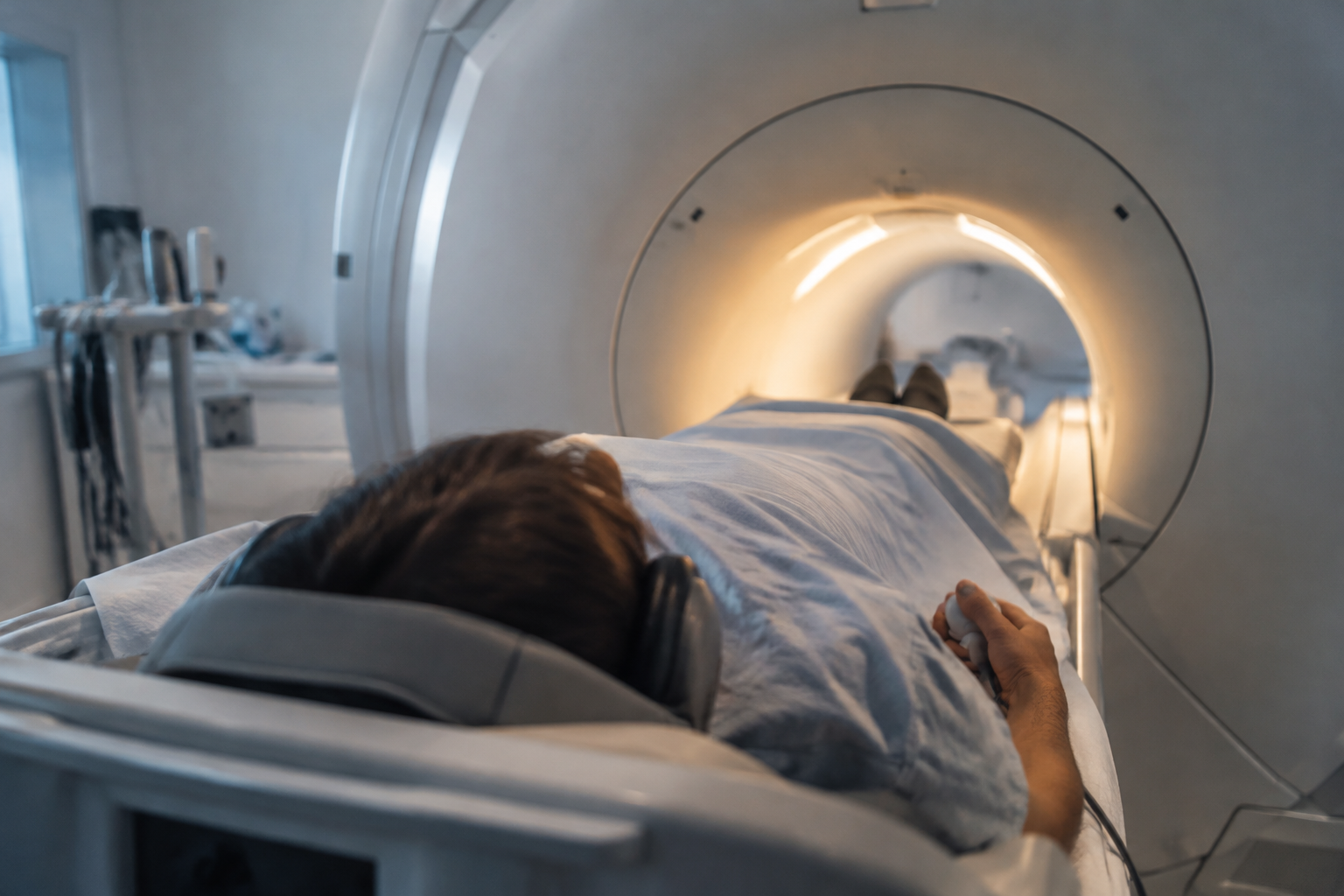
Participants will first provide information about their demographic background, mental health and GLP-1 use, where applicable, and complete a short cognitive exercise. They will then undergo magnetic resonance imaging while performing four tasks: two concerning food and two concerning financial choices.
One financial task will present 14 images depicting goods, services, experiences and spending opportunities, including the Powerball lottery jackpot. Participants will simply view the images, allowing researchers to examine their spontaneous responses without requiring them to make a purchase or choose an option.
Recognisable branding and logos will be excluded. The purpose is to avoid confusing a response to the underlying spending opportunity with a response to a familiar or preferred brand.
Why GLP-1 research is moving beyond appetite
GLP-1 medicines mimic the action of a hormone involved in blood sugar regulation and appetite. Their established medical uses help explain the interest in whether changes in food-related reward might also be associated with changes in other behaviour. That question is distinct from their approved role in treating diabetes or managing weight.
The Wharton research will focus on the brain’s reward system: interconnected structures involved in assessing value, reinforcing behaviour and making decisions. Dopamine is among the neurotransmitters involved in those processes.
Researchers want to compare responses to necessary, practical purchases with responses to discretionary spending and pleasurable experiences. The distinction matters because reduced interest in one type of reward would not necessarily imply reduced interest in every financial opportunity.
A second financial task will require an active choice, recorded by pressing a button during the scan. One example given to CBS News is a choice between receiving $20 immediately and receiving $50 after two months. This tests how participants weigh a smaller, immediate payment against a larger, delayed one.
MRI measurements will track changes in blood flow and oxygen levels associated with brain activity. The team will use those signals to investigate how participants evaluate the options and whether those evaluations differ with GLP-1 use.
The work sits alongside broader interest in changes reported by Mounjaro users beyond weight loss. Patient accounts and laboratory measurements, however, answer different questions; neither should be treated as proof of a financial benefit before the relevant evidence is available.
Michael Platt sets out the financial-reward hypothesis
Michael Platt, a neuroscientist and Wharton professor, told CBS News that the researchers believe GLP-1 medicines could eventually produce changes in brain structure with implications for both food choices and financial decisions. That is the team’s proposed explanation, rather than an outcome demonstrated by this study.
Platt also raised a possible trade-off. A reduced drive to pursue rewards might help some consumers resist unplanned spending, while potentially reducing the willingness of people in high-risk occupations, such as trading, to pursue large returns. He described the latter possibility as anecdotal speculation.
Noom, the digital health company, is funding the study. According to CBS News, the hypothesis draws on earlier research by its chief executive, Geoff Cook. The funding relationship is relevant context when assessing future findings, but the report provides no study results to evaluate.
Other researchers involved told CBS News that a principal interest is subjective value: how desirable an individual finds a particular food or financial option. Their question is whether that assessment differs according to GLP-1 use, rather than simply whether everyone makes the same supposedly better choice.
What the Wharton study will need to establish
After scanning, participants will have to follow through on one of their recorded financial decisions. Someone who selected $50 in two months rather than $20 immediately would receive the larger amount later. Making a choice consequential is intended to encourage participants to express their actual preferences.
CBS News gives a planned start in mid-October without specifying the year, and an expected finish around March 2027. It does not provide a date for publication of the findings or set out whether participants will be randomly assigned to treatment.
Those details will matter when interpreting any eventual differences between people using GLP-1 medicines and others. A difference in laboratory responses would not, by itself, establish that a medicine caused a lasting reduction in shopping, gambling or household debt.
For patients, the research does not provide a basis for starting or changing treatment to influence spending. Prescribing decisions remain separate from this experimental question, including the established need to consider other medicines when reviewing GLP-1 treatment.