
Noom puts GLP-1 weight regain at the centre of its advert
Noom is launching an advert that dramatises fears of weight regain after GLP-1 treatment, according to reporting by Adweek. The campaign film was scheduled to debut at Adweek House HQ on the day of the publication’s report, although the supplied coverage gives no calendar date.
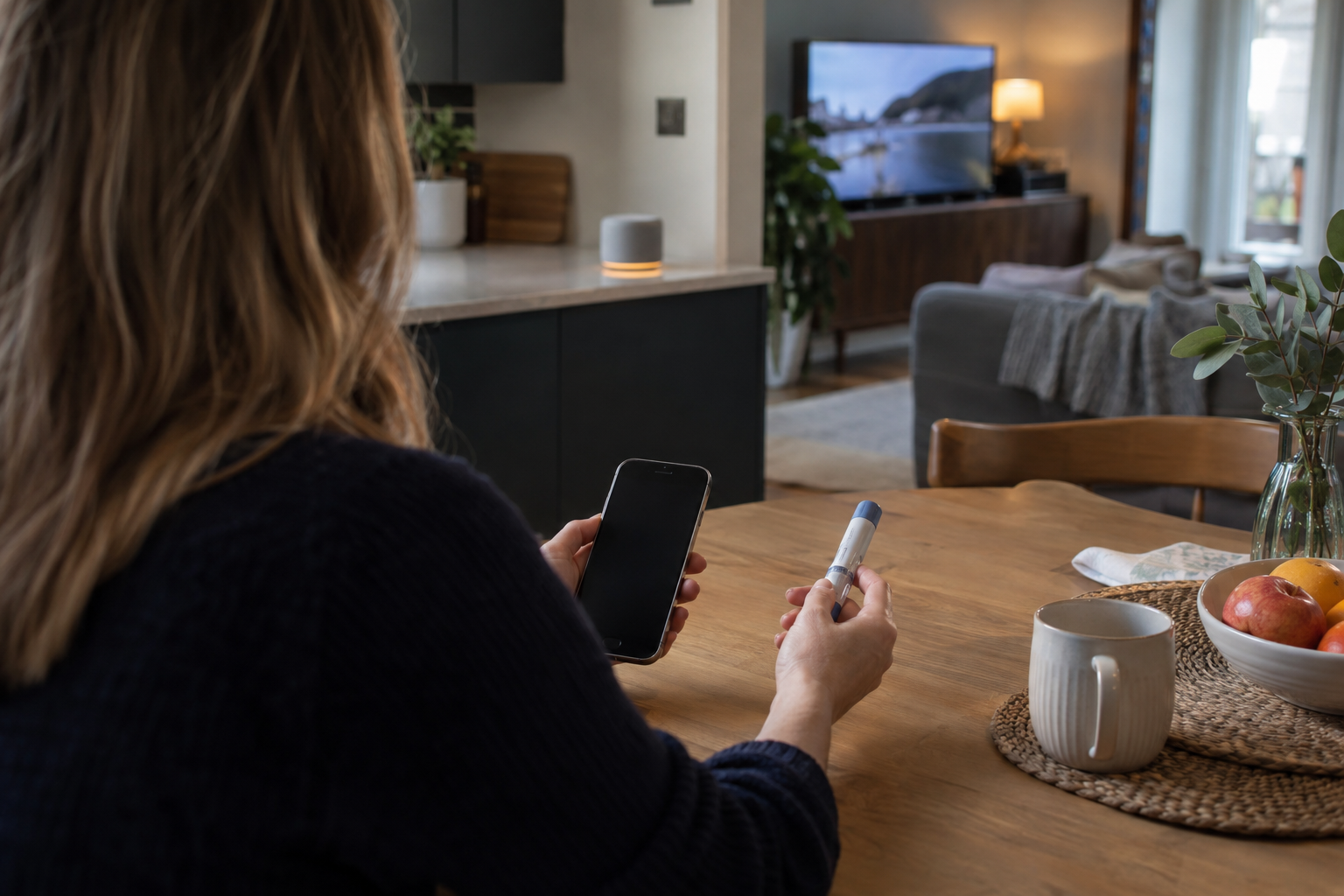
The advert follows a woman enjoying her weight-loss success before connected devices around her home begin delivering unsettling warnings. Her television, smart speaker, smoke alarm and robotic vacuum cleaner become reminders that the weight could return.
It marks a change in tone for Noom’s “Lose for Keeps” campaign. Earlier instalments featured the actress Rebel Wilson in a lighter presentation; the new film uses anxiety to draw attention to the company’s support services.
Noom’s internal marketing team developed the concept and script, working with director Nina Meredith and Shutterstock Studios. According to Adweek, the smart-home version performed best in testing with potential viewers. The report does not provide audience numbers or testing results.
Noom’s GLP-1 service combines medication with habit support
Noom began offering GLP-1 medicines through Noom Med in 2023. Its marketing continues to emphasise access to coaches, clinicians and tools intended to help people develop and maintain healthier habits, rather than presenting medication as its only service.
GLP-1 medicines act on pathways involved in appetite and blood sugar regulation. Weight regain after withdrawal is a recognised concern, but that does not mean every patient follows the same course or regains the same amount. Nor does evidence that regain occurs establish that a particular commercial programme prevents it.
Noom reports that 11 in 12 people taking GLP-1 drugs will pause or stop them at some point. That is approximately 92 per cent, but the figure combines temporary interruptions with complete discontinuation. Adweek’s account does not identify the population, observation period or method behind the estimate, limiting what readers can infer about an individual patient’s likelihood of stopping.
The company also cites its own research suggesting that members who continued practising Noom habits after stopping a GLP-1 retained more of their weight loss than people outside Noom who stopped treatment. The coverage provides no sample size, amount of weight regained, follow-up duration or details of how the groups were compared.
Those omissions matter. Without knowing whether the groups were otherwise comparable, the reported difference cannot establish that Noom’s programme caused better weight maintenance. It also gives readers no absolute figure with which to judge the size of any benefit.
The distinction between evidence of regain and evidence for preventing it is central to research into support after weight-loss injections.
Noom says patients should consider stopping before they start
Rachel Mahoney, Noom’s chief brand officer, told Adweek that the heightened tone helped viewers recognise a fear associated with losing weight, while allowing the advert to present Noom as a possible response.
“Most people aren't thinking about stopping a GLP-1 when they're starting a GLP-1,” she said.
Mahoney identified side effects, financial circumstances and changes in people’s lives as reasons why continuing treatment indefinitely may not reflect their experience. Her argument is that habit-building remains relevant even when medication is part of weight management.
The wider campaign also includes YouTube testimonials from members who combined GLP-1 medicines with changes in their habits. Such accounts describe individual experiences; they do not show how frequently similar outcomes occur among all users or substitute for a controlled comparison.
Adweek’s report includes the company’s explanation of its strategy, but no independent clinical assessment of the advert or its supporting research. Mahoney’s comments therefore explain Noom’s commercial position rather than provide an independent judgement of its effectiveness.
Noom’s weight-maintenance claims leave evidence questions open
The immediate next step described in the report is the advert’s debut. The supplied coverage does not specify a wider release schedule, markets, campaign spending or whether the film will appear in the UK.
For patients assessing the programme, important unanswered questions include how long any weight-maintenance advantage lasts, how large it is and which users are most likely to benefit. The report also does not establish whether coaching, clinical contact or particular habits account for the reported difference.
These are part of a broader effort to understand what happens after treatment ends, including research funding directed at GLP-1 weight regain. The advert supplies a promotional answer to that concern; assessing the answer requires fuller evidence than the reported claims provide.