
What WHO recommends for children under 10
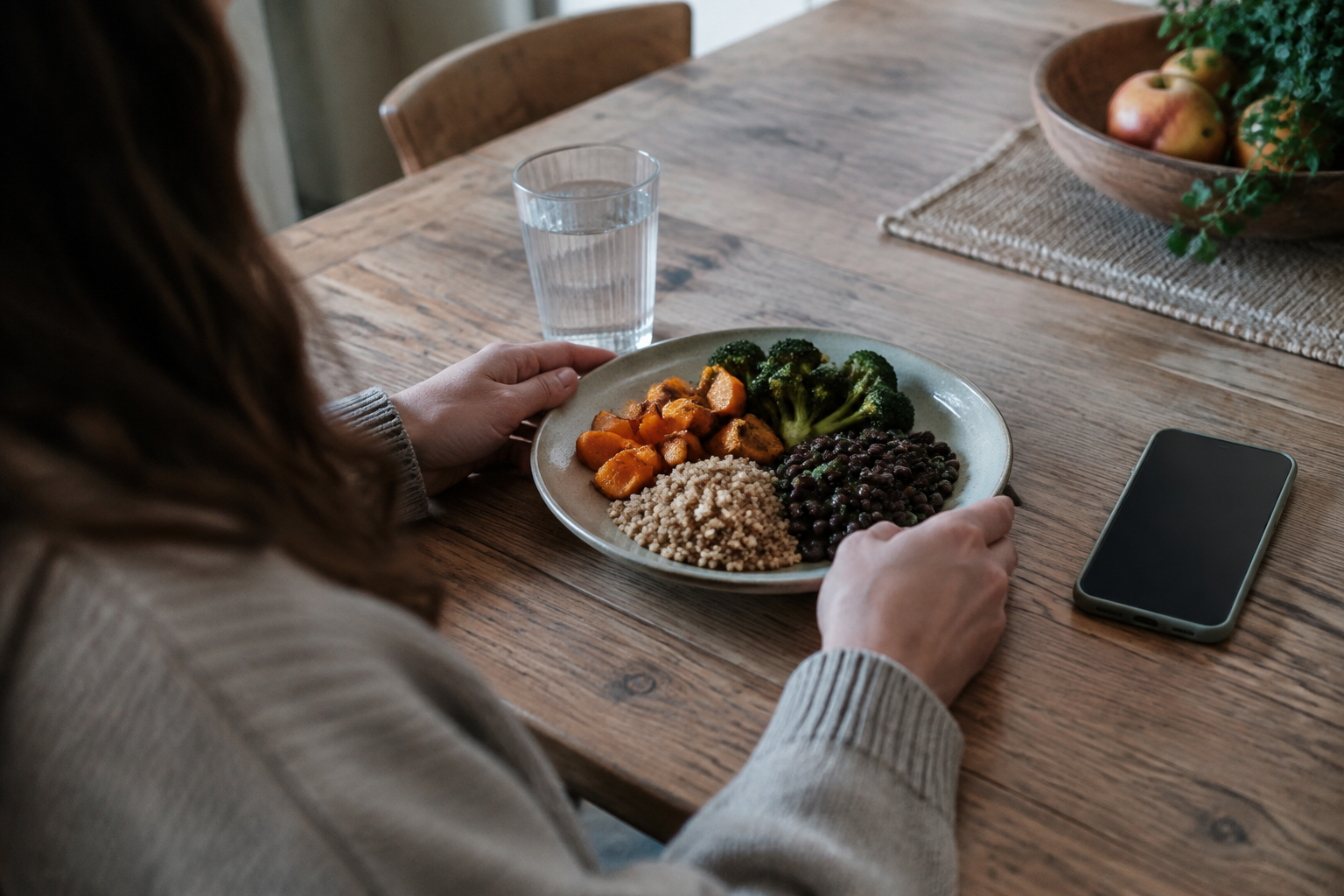
The World Health Organization has advised against prescribing obesity medicines, including weight-loss injections such as Wegovy and Mounjaro, to children under 10 in new global guidelines, according to reporting by BBC News. The recommendations apply worldwide and call for care at this age to focus on healthy eating and physical activity rather than medicines or surgery.
The advice also covers bariatric surgery and weight-management devices. It is an age-specific recommendation, not a rejection of every medical treatment for obesity in children and adolescents.
WHO does not oppose clinical trials in younger children. Drug companies are already testing some obesity medicines in children as young as six, the BBC reported, making the distinction between research and prescribing outside trials particularly important.
Some digital tools could have a place in care. WHO identifies activity trackers and games that require players to move as potentially useful, although it says the supporting evidence is limited. That qualified assessment should not be read as a recommendation for digital products generally.
Why childhood obesity treatment raises different questions
The scale of childhood obesity is substantial. Estimates cited in the BBC report put the number of children and adolescents living with obesity worldwide at 170 million, including 70 million aged five to nine.
Among five- to nine-year-olds, estimated obesity prevalence has risen from 2 per cent in 1990 to 8 per cent — a fourfold increase. Separately, 35 million children under five were estimated to be overweight in 2024. That figure measures overweight, rather than obesity, and should not be treated as the same category.
Obesity increases the likelihood of several diseases, including type 2 diabetes. The policy question is therefore not whether children need care, but which forms of care have sufficient evidence to justify their use at a young age.
Wegovy contains semaglutide, which acts on the GLP-1 receptor to help regulate appetite and food intake. Mounjaro contains tirzepatide, which acts on both GLP-1 and GIP receptors. Their effects on appetite help explain their role in weight management, but evidence in adults cannot by itself establish the appropriate treatment for younger children.
Most obesity medicines are licensed only for age groups above the under-10 population covered by the recommendation, according to the BBC. Some doctors nevertheless prescribe them off-label: that means using a medicine outside the terms of its licence, such as for a younger patient.
WHO guidance is distinct from a medicine’s licence and from national decisions about access or funding. In the UK, these injections are prescription-only medicines. Their public promotion is a separate regulatory issue, examined in our coverage of ASA scrutiny of weight-loss drug advertising.
Why WHO officials are cautious about early treatment
Dr Luz De Rigil, WHO’s director of nutrition and food safety, made clear that the advice against medicines, surgery and weight-management devices for under-10s was not tentative. “This is a strong recommendation,” she said, according to the BBC.
For older children and adolescents, she said those treatments might be appropriate after lifestyle approaches had failed, provided the individual was physically and mentally ready. That qualification does not amount to automatic approval of a particular medicine from a child’s tenth birthday.
Laurence Grummer-Strawn, WHO’s head of nutrition and food safety actions, raised a different concern: how long treatment would continue if it began very early in childhood.
He said evidence was lacking that GLP-1 medicines could be used as a temporary intervention, followed later by dietary treatment alone. His comments identify uncertainty about the longer course of care, rather than simply the amount of weight a medicine might help a child lose during treatment.
What comes next for WHO guidance and paediatric trials
WHO will continue to assess emerging evidence, De Rigil said. The organisation recognises that treatment is developing, while maintaining its current recommendation for under-10s.
Research involving younger children may help address some of the unresolved questions. However, the BBC report gives no timetable for trial results or for a revision of WHO’s advice.
For families, the distinction between age groups remains essential. The recommendation concerns children under 10; decisions for older children depend on the treatment, its authorised use and the individual’s circumstances. Neither the existence of a trial nor a prescription issued off-label establishes that a medicine is licensed for routine use at that age.