
What the $4m GLP-1 weight regain study will investigate
Researchers at UTHealth Houston in the United States have been awarded a five-year, $4 million National Institutes of Health grant to investigate why weight returns after GLP-1 medicines are stopped. According to an announcement published by Newswise, the programme will study 100 people with obesity, although no trial start date has been given.
The central question is not simply whether patients regain weight, but why the amount and pace of regain differ. The team will look for genetic and molecular markers that might help explain those differences and, eventually, identify people more likely to struggle after treatment ends.
All participants will receive semaglutide for six months. Half will then be randomly assigned to stop the medicine, while the other half will continue GLP-1 treatment. Comparing the two groups should help researchers distinguish changes associated with withdrawal from those occurring during continued therapy.
The announcement describes the study as double-blind but does not explain how blinding will be maintained after treatment allocation. It also does not specify the semaglutide dose, the length of follow-up after randomisation or a date for results.
UTHealth Houston is working with Vanderbilt University and the Border Health Research Center at UTHealth Houston School of Public Health in Brownsville. Participants will come from the Border Health Research Cohort.
How semaglutide withdrawal may affect weight and metabolism
Semaglutide is a GLP-1 receptor agonist, the medicine sold for weight management as Wegovy and for type 2 diabetes as Ozempic. It mimics a hormone involved in appetite and blood glucose regulation, helping people feel fuller and eat less. Obesity is a chronic condition, and medication may be needed over the long term to maintain its benefits.
Weight returning after withdrawal is therefore not evidence, by itself, that treatment failed while it was being taken. Once the medicine is removed, its effects on appetite are no longer sustained. The body's adaptations to weight loss can also favour regain, including greater hunger and lower energy expenditure.
The Newswise announcement cites research suggesting that roughly 30 per cent of patients stop GLP-1 medicines within six months and about half within a year. It also reports that most people regain more than 60 per cent of the weight they lost within a year of stopping. Those figures are background estimates cited in the announcement, not findings from the newly funded trial; the underlying studies are not identified in the supplied report.
The team is particularly interested in whether the body retains molecular changes from treatment or earlier weight loss that influence what happens next. This proposed metabolic memory is a research hypothesis, rather than an established explanation for differences between patients.
The distinction between inherited genetic variation and gene activity matters here. A person's genetic sequence does not have to change for cells to alter which genes they use, or how strongly they use them. By studying both genetic markers and gene expression, the researchers hope to examine more than inherited susceptibility alone.
Weight cycling — repeated loss and regain — is another focus. The announcement describes it as involving changes in appetite, hormones and energy use, with potential consequences for muscle and cardiometabolic health. For patients, that makes the composition of regained weight relevant as well as the number on the scales.
Biology is not the only question being investigated in this field. Separate coverage of a GLP-1 trial examining support after treatment stops considers whether structured help may limit regain; the Houston programme will concentrate on the underlying molecular differences.
What the UTHealth Houston investigators say
Absalon Gutierrez, the principal investigator and a professor in the Division of Endocrinology, Diabetes, and Metabolism at McGovern Medical School, said the funding would help the team investigate who might be genetically predisposed to regain weight after stopping GLP-1 medicines.
Joseph B. McCormick, the co-principal investigator and a professor of epidemiology at the School of Public Health, described post-treatment regain as a substantial clinical problem. He said the randomised study could reveal biological targets for future medicines and markers indicating whether treatment benefits are likely to persist.
McCormick also emphasised the opportunity to study an under-researched population. Established in 2003, the Border Health Research Center investigates obesity, diabetes and related complications among Americans of Mexican descent living in the Lower Rio Grande Valley.
These are the investigators' aims, not demonstrated outcomes. Neither a predictive test nor a treatment capable of preventing rebound has been established by this announcement.
What the semaglutide trial will measure next
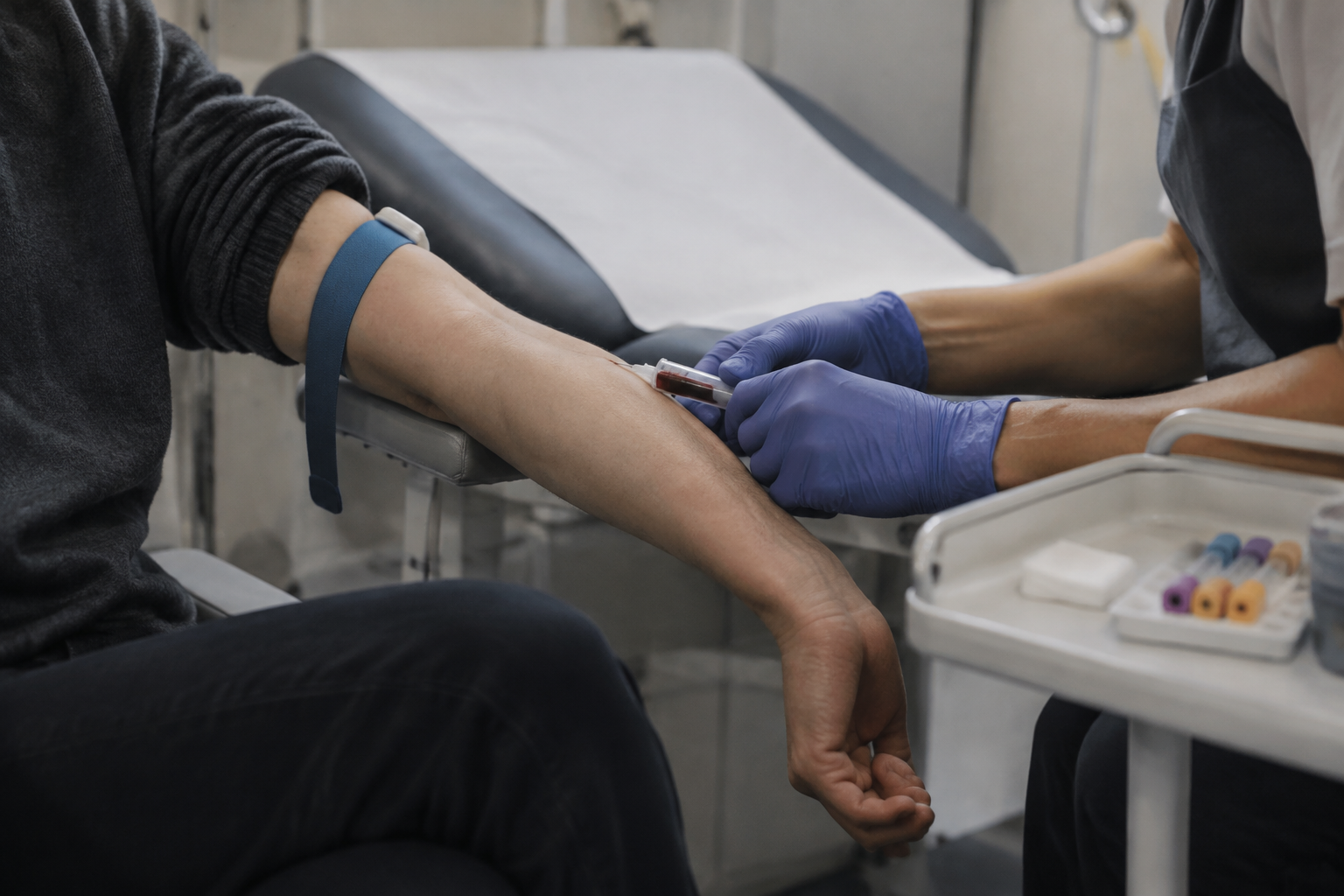
Small samples of blood and fat tissue will allow the researchers to track gene activity, circulating molecules and immune signals. The analysis will include pathways associated with insulin metabolism, appetite regulation, energy expenditure and body composition.
A test meal will provide a more immediate view of participants' responses: researchers will measure blood glucose, insulin and appetite around eating. Whole-body scans will assess body composition, while breathing tests will measure resting energy expenditure. Surveys will record diet and physical activity.
Together, those measurements are intended to connect molecular findings with observable changes in metabolism and weight. Finding an association would not, on its own, establish that a particular marker causes regain or that changing it would prevent it; those would remain questions for further research.
The withdrawal comparison is also distinct from changing the way treatment is delivered. Research covered in our report on switching from injections to a Wegovy pill concerns continued medication, rather than what happens when GLP-1 therapy ends.
For now, the award provides a way to investigate why patients' experiences diverge. Whether the resulting measurements can guide an individual decision about continuing or stopping treatment will depend on evidence the study has yet to produce.