What the semaglutide study found about muscle strength
Ten men taking semaglutide had slightly smaller thigh muscles but retained their measured strength after 12 weeks, according to reporting by Women’s Health. The study, published this spring in Cell Reports Medicine, included researcher Henning Langer, who leads the Muscle Wasting Laboratory at Charité in Berlin.
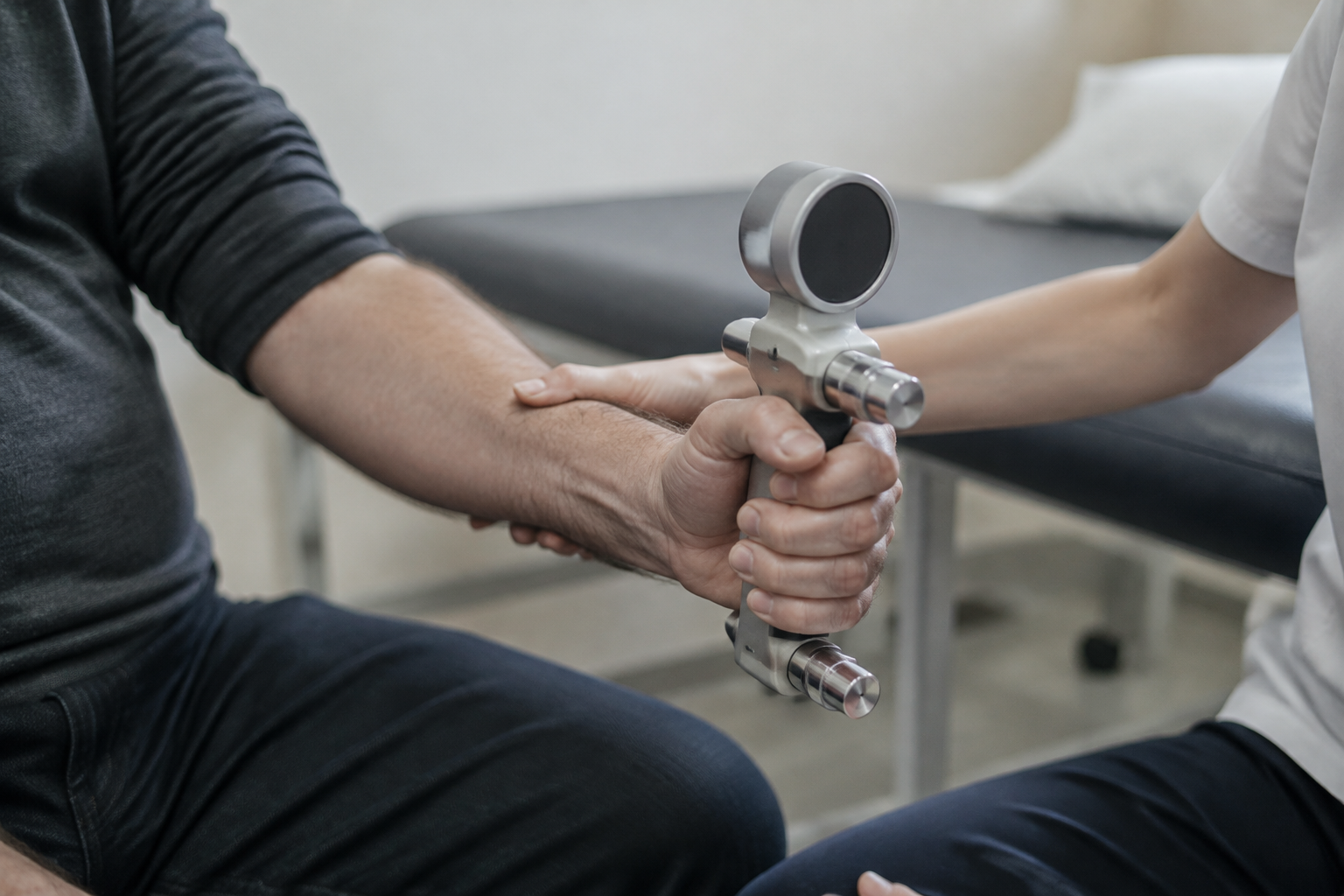
The findings offer limited reassurance about a concern surrounding medicines such as Wegovy: whether substantial weight loss comes at the expense of the muscle people need for everyday life. Participants maintained both their grip strength and their ability to straighten their knees against resistance, despite the change in thigh muscle size.
This was a small, short study, not evidence that muscle loss can be dismissed. It involved no women and cannot establish what happens over longer treatment periods. Langer also cautioned that the findings cannot be assumed to apply to older adults or people with heart failure, cancer or neuromuscular disease.
Nor does a reduction in muscle size necessarily measure the loss of working muscle tissue alone. Langer suggested that some of the change could reflect reductions in fat, stored carbohydrate and water within the muscle. That is a possible explanation, rather than proof that all the tissue responsible for strength was preserved.
The central distinction is between three different outcomes: the amount of lean tissue in the body, the size of particular muscles and what those muscles can do. They are related, but they do not answer the same clinical question.
Why lean mass figures do not measure muscle loss alone
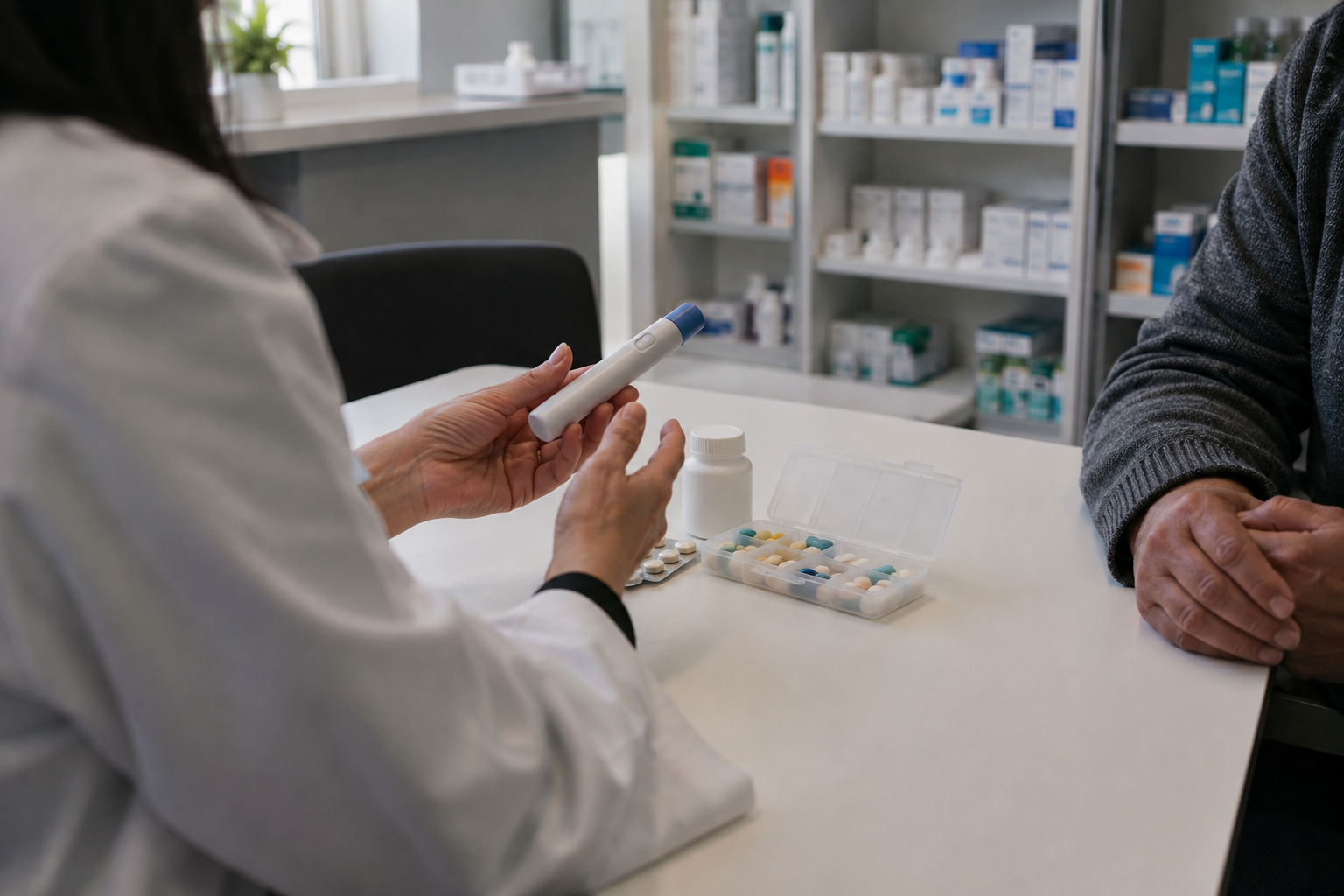
Semaglutide, the active ingredient in Wegovy and Ozempic, acts on the GLP-1 receptor and helps regulate appetite and blood glucose. Wegovy is used for weight management, while Ozempic is a diabetes medicine. Tirzepatide, sold in the UK as Mounjaro, acts on both GIP and GLP-1 receptors.
Much of the concern about muscle has come from body-composition research. Women’s Health points to the 2021 STEP 1 semaglutide substudy and the 2025 SURMOUNT-1 tirzepatide substudy, reporting reductions of about 10 per cent in lean body mass. That figure describes a change in lean mass; it is not a finding that participants lost 10 per cent of their muscle.
Lean body mass includes organs, water and connective tissue as well as muscle. Langer estimates that muscle accounts for only about half of it. Changes in these other components therefore matter when interpreting a scan.
Stuart Phillips, chair of the department of kinesiology at McMaster University, explained that the liver can become smaller during weight loss as stores of glycogen and fat fall. Glycogen also holds water. Depleting those stores can reduce measured lean mass without an equivalent reduction in muscle tissue.
There is another statistical distinction. In the STEP 1 substudy, participants lost both fat and lean mass, but fat fell proportionately more. Lean mass consequently accounted for a greater percentage of their remaining body weight, even though its absolute amount had declined. A higher percentage is therefore not, by itself, evidence that muscle was maintained.
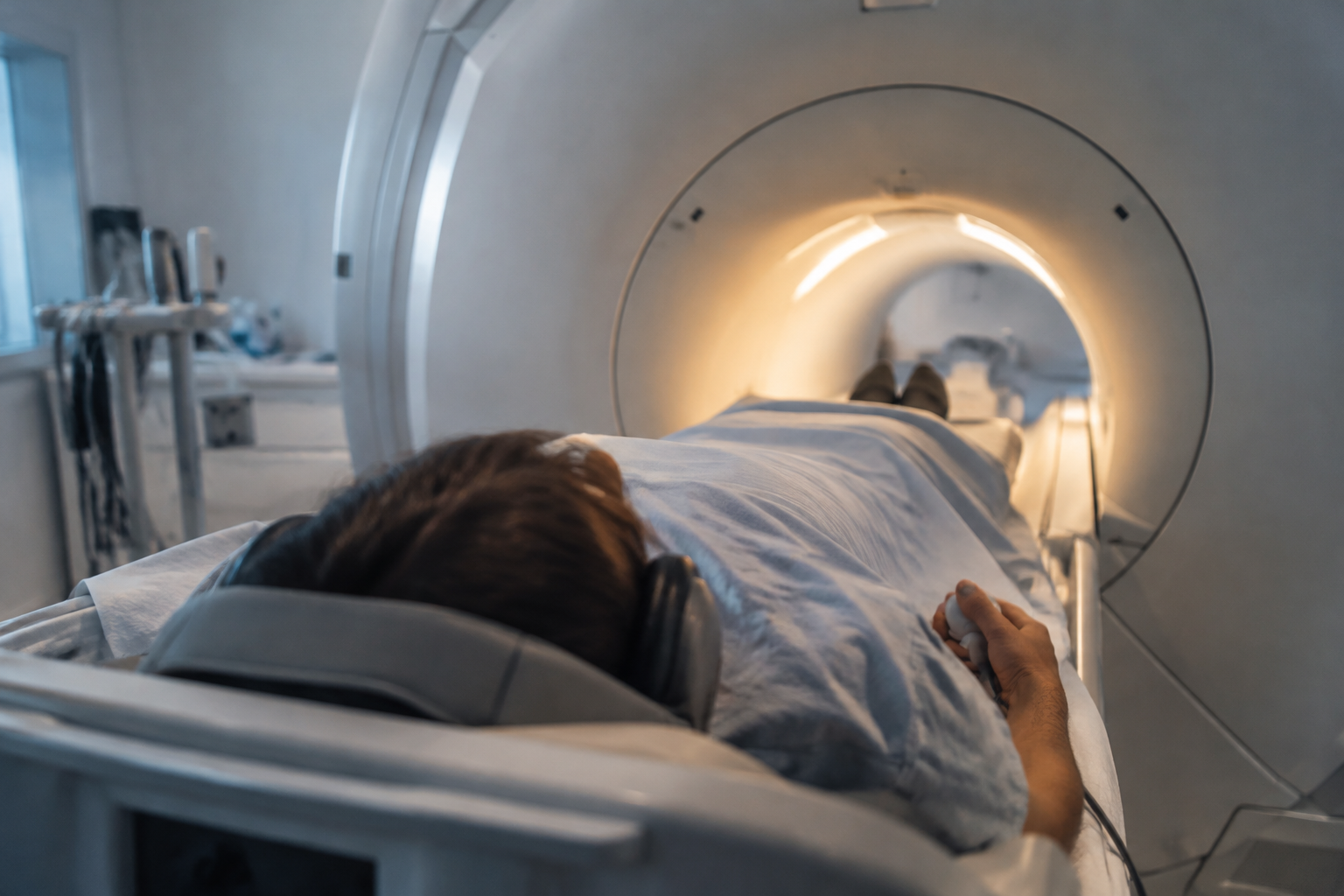
MRI and CT scans can assess muscle size more directly than measurements of total lean mass. Strength still requires separate tests, such as grip measurements or assessing how readily someone can rise from a chair. Repeated measurements are needed to see how those outcomes change during treatment.
Some loss of lean mass also occurs with weight reduction through calorie restriction or bariatric surgery. The relevant question is not simply whether lean mass falls, but how much functional muscle is retained and whether the person becomes stronger or weaker in daily life.
What muscle researchers and clinicians say
Speaking to Women’s Health, Langer said there did not appear to be something uniquely harmful about weight loss achieved with GLP-1 medicines. His assessment does not remove the need to monitor people who begin treatment with little muscle or have difficulty maintaining it.
Robert F. Kushner, professor emeritus at Northwestern University Feinberg School of Medicine, highlighted patients over 65, people with chronic kidney or heart disease, those with low starting muscle mass and those losing excessive amounts of weight. Phillips added that repeated dieting and low protein intake can increase concern.
Functional outcomes in other research have sometimes been favourable. A 2024 analysis of two trials involving women with obesity and heart failure with preserved ejection fraction found that, after a year, those taking semaglutide reported better symptoms and physical function than those receiving placebo. They also walked farther in a six-minute test. Those findings concern a specific patient group and do not establish that muscle tissue was preserved.
Mir Ali, medical director of MemorialCare Surgical Weight Loss Center at Orange Coast Medical Center, told the publication that he did not often encounter muscle loss that noticeably impaired patients’ strength or daily activities. That is a clinical observation, not a measured estimate of how frequently the problem occurs.
Pooja Gidwani, an internal and obesity medicine physician, drew attention to women during perimenopause and after menopause, when hormonal changes affect bone health and body composition. Questions about treatment during this transition also feature in research on weight loss across menopause stages, although weight-loss outcomes alone do not answer questions about muscle health.
What patients and future GLP-1 studies should track
Larger studies following people for longer are needed to establish whether muscle size and strength remain stable across different patient groups. The ten-man study cannot resolve those questions, particularly for people already vulnerable to muscle wasting.
For patients now, Phillips recommends at least two full-body resistance-training sessions a week, covering the major muscle groups. Weights, machines, resistance bands and bodyweight exercises can all be used, with the challenge increased gradually as strength improves. He emphasised that additional protein without resistance training does relatively little to preserve muscle.
For people with obesity and normal kidney function, his suggested protein range is 1.2–1.6 grams per kilogram of a reference weight, rather than necessarily their current weight. One reference is the weight corresponding to a BMI of 25 at their height. This is a starting point for individual advice, not a target weight or a universal prescription.
Kushner advised checking with a healthcare professional if weight consistently falls by more than about two to three pounds a week, or 5 per cent of body weight in a month, particularly alongside weakness or difficulty eating enough. These are prompts for review, not a single threshold that defines excessive loss for everyone.
Gidwani said new difficulty using stairs, carrying things or getting out of a chair should be assessed rather than accepted as an inevitable consequence of slimming. Monitoring those tasks provides information that a bathroom scale cannot.
She also described reviewing treatment when patients cannot eat adequately, lose weight too quickly or show declining strength, rather than automatically increasing the dose. Such concerns belong in a prescriber-led assessment, alongside the broader issues covered in medicines reviews for Mounjaro and other GLP-1 treatments.