Novo Nordisk faces US claims over Ozempic and Wegovy eyesight damage
Novo Nordisk faces at least 90 US legal claims alleging that its diabetes and weight-management medicines caused permanent vision loss, according to Daily Mail reporting published on 13 October 2026. The claims concern non-arteritic anterior ischaemic optic neuropathy, or NAION; the newspaper also reports a smaller number of cases against Mounjaro manufacturer Eli Lilly.
The litigation places a serious but uncommon eye condition under scrutiny. Patients allege that treatment damaged their sight, while Novo Nordisk disputes the claims and says a causal relationship between semaglutide, the active ingredient in Ozempic and Wegovy, and NAION has not been established.
Citing the Wall Street Journal, the Daily Mail reports that personal-injury firm Weitz and Luxenberg has filed just under 100 lawsuits against Novo Nordisk since 2025. The report does not give an exact number of claims against Lilly or identify a court finding that either company's medicine caused an individual patient's condition.
The proceedings are separate from compensation awarded to 27 patients in Denmark who developed NAION after using Ozempic or Wegovy. According to the report, those payments totalled more than £1.1 million. Novo Nordisk says it was not involved in those cases and argues that compensation does not establish that its medicines caused the condition.
One US claimant, Michelle Fennell, 53, reportedly experienced blurred vision about six months after starting Ozempic for type 2 diabetes. She described a heavy sensation in her right eye and a sudden reduction in peripheral vision before receiving a NAION diagnosis two weeks later.
Another claimant, Jay Vandegriff, 69, was prescribed Ozempic in 2023 and noticed visual changes about a year afterwards. He initially thought his glasses were dirty. According to the account, he was subsequently diagnosed with NAION and says he has lost two-thirds of the sight in his left eye.
NAION risk is difficult to separate from diabetes
NAION develops when the optic nerve receives too little blood, depriving its tissue of oxygen. The nerve carries visual information from the eye to the brain. Damage can produce sudden and permanent sight loss, and there is no cure for the condition.
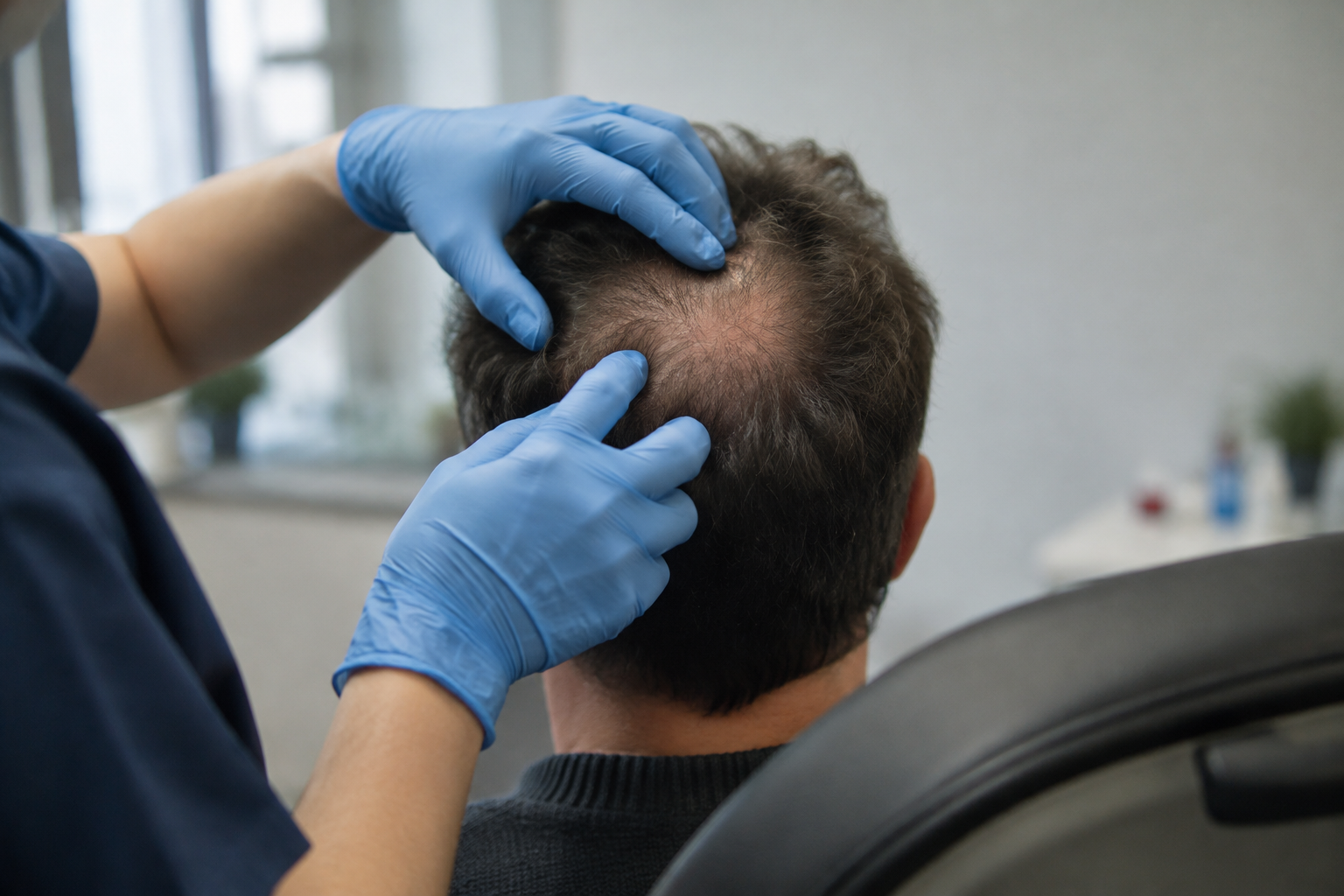
Although sometimes described as an eye stroke, NAION is a specific optic-nerve disorder. It is often painless. Warning signs can include blurred vision or a dim or dark area in one eye, making the absence of pain an unreliable guide to severity. Sudden loss or deterioration of vision requires urgent medical assessment rather than waiting for a routine appointment.
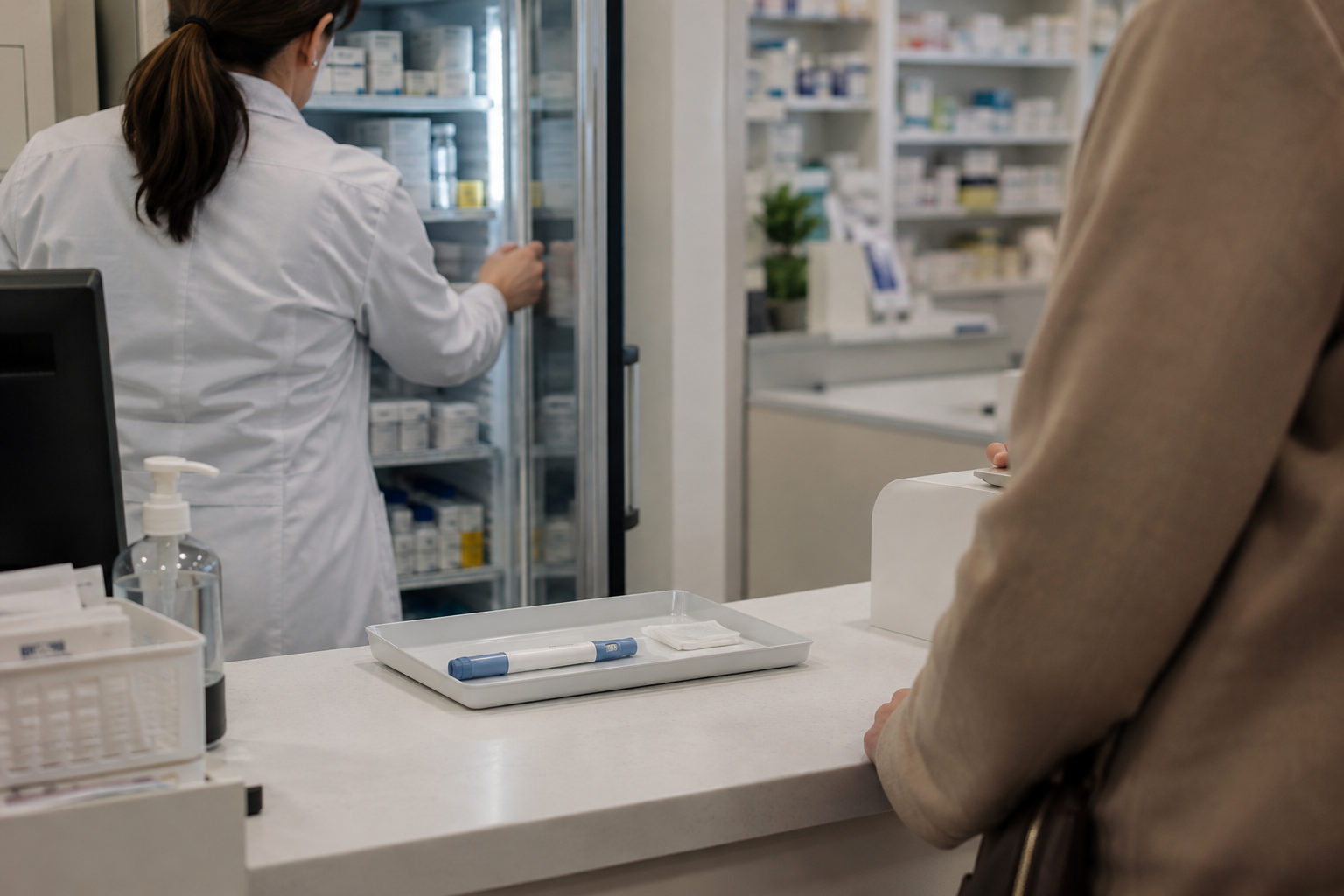
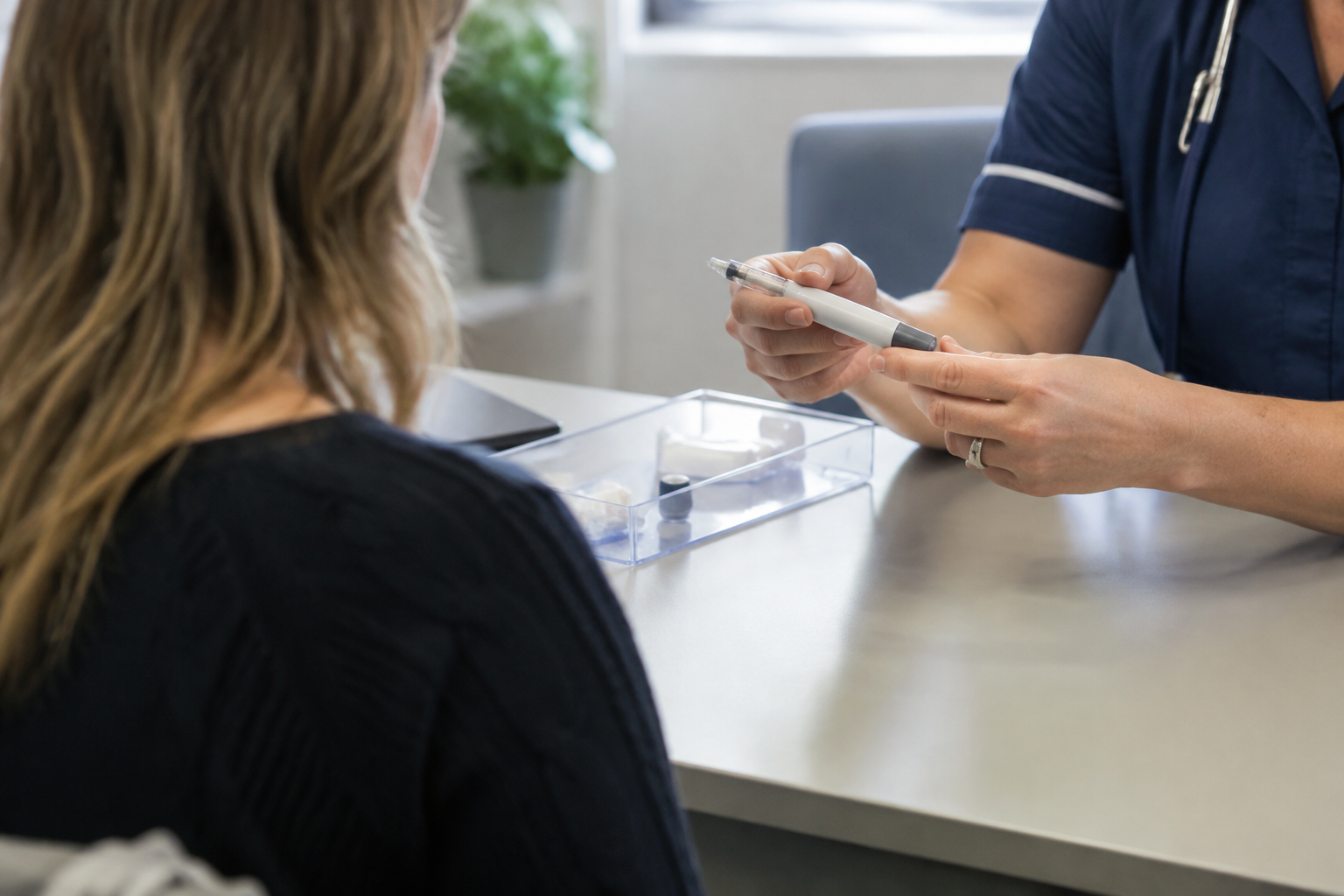
Ozempic is a treatment for type 2 diabetes; Wegovy is used for weight management. Both contain semaglutide, which acts on the GLP-1 receptor to help regulate blood glucose and appetite. Mounjaro contains tirzepatide, which acts on both GIP and GLP-1 receptors. They should not be treated as interchangeable products when interpreting a safety finding.
The Daily Mail reports that the UK's Medicines and Healthcare products Regulatory Agency issued a warning earlier in 2026 about the link between semaglutide and NAION. That regulatory concern is distinct from the question before the US courts: whether a particular medicine caused a particular person's injury.
Diabetes complicates the evidence. According to MHRA figures cited in the report, NAION is up to ten times more common in people with type 2 diabetes, affecting between 11 and 82 per 100,000 patients annually. Older age, smoking and high blood pressure are also associated with greater risk.
The research findings differ. A study published in 2024 reported roughly four times the risk among semaglutide users compared with people taking other diabetes treatments. A 2025 analysis in JAMA Network Open found a 76 per cent higher risk among semaglutide and tirzepatide users than among people receiving other diabetes medicines, while emphasising that the overall risk remained low.
Those relative increases do not mean that four in every 100 users, or 76 per cent of users, will develop NAION. They describe comparisons between study groups, not the probability that any one patient will lose vision. The distinction is also important when assessing Ozempic's benefits and side-effect figures.
A company-funded analysis published in the British Journal of Ophthalmology in 2026 reached a different finding: it found no increased incidence of NAION with Novo Nordisk's medicines compared with placebo. The supplied report does not provide enough methodological detail to reconcile those results or calculate a single additional risk for patients.
Novo Nordisk, Lilly and clinicians differ on the evidence
Novo Nordisk says the US personal-injury claims are unfounded and is defending them. The company says it is investigating reports linking semaglutide to NAION and working with regulators and health authorities on medicine safety.
Liz Skrbkova, its head of US media and stakeholder relations, pointed to the company-funded analysis when responding to the BMJ, according to the Daily Mail. Dr Tina Vilsboll, a senior medical officer at Novo Nordisk and lead author of that study, also disputed the level of concern in comments reported by the Wall Street Journal.
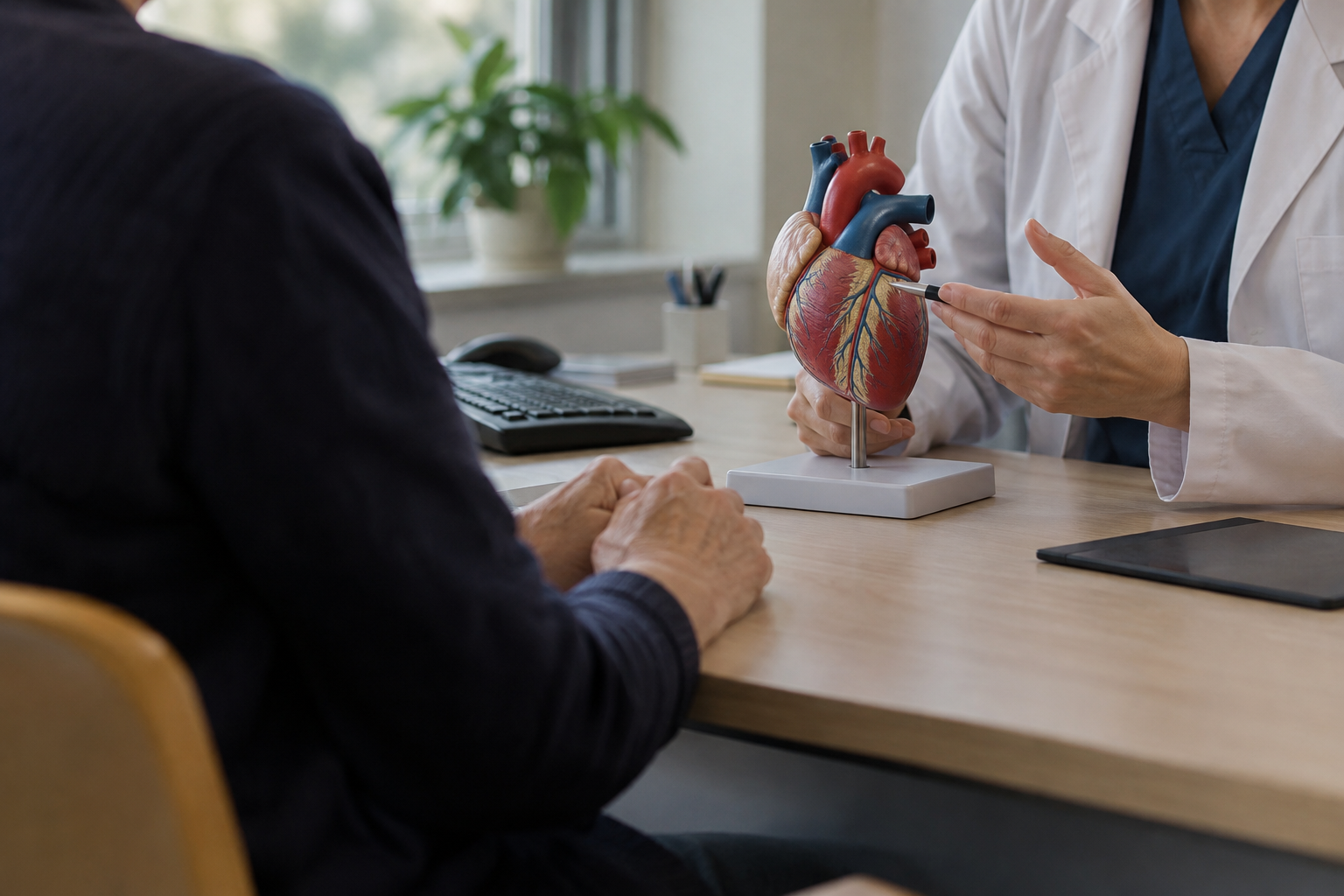
Drew Carey, associate professor of clinical ophthalmology and neurology at Johns Hopkins Medicine, offered a more cautious assessment. In comments to the BMJ reproduced in the report, he said the best estimates suggested approximately twice the risk with these medicines, generally among people already at high risk. He also identified a lack of data on how treatment interacts with individual risk factors.
Kevin Gendreau, an obesity medicine specialist at Signature Healthcare in Massachusetts, told the BMJ that attributing one person's NAION to a medicine was particularly difficult. He supported further investigation and awareness among patients and clinicians, without suggesting that all patients should be alarmed.
Lilly told the Daily Mail that it was aware of publications examining possible NAION risks with certain GLP-1 medicines. It encouraged clinicians to assess the literature using their professional judgement and said it remained in discussions with regulators about safety, including eye problems. The company advised anyone experiencing side effects from its medicines to contact a healthcare professional.
US litigation leaves causation and individual risk unresolved
The report gives no trial dates or timetable for resolving the US claims. It also leaves unanswered how many further cases may be filed and whether future research will identify particular groups whose risk changes with treatment.
One proposed explanation, discussed in commentary accompanying the 2025 study, is that rapid improvement in blood glucose might contribute to the association. That remains a hypothesis, not an established explanation for the reported injuries.
For patients, the immediate distinction is between a disputed explanation and a symptom that needs attention. A sudden visual change warrants urgent assessment regardless of its cause. Decisions about continuing or changing treatment should be made with the prescribing clinician, an issue central to monitoring side effects during Mounjaro treatment.