What experts advise on walking and cycling during GLP-1 treatment
People taking GLP-1 weight-loss medicines should choose between walking and cycling according to what they can sustain, rather than assume one delivers better results, US experts told Yahoo Health. When patients begin treatment or change their dose, the clinicians advise building activity gradually to accommodate symptoms and changes in energy.
The advice comes from interviews with five exercise and medical specialists, not a head-to-head trial establishing which activity produces greater weight loss during treatment. Their assessment puts practical considerations — including joint pain, access to equipment and the ability to exercise regularly — ahead of a universal ranking.
Both activities can begin at low intensity and be adjusted from day to day. Neither requires someone to start with a demanding workout, an important distinction for patients who find that medication side effects disrupt ordinary tasks as well as exercise.
How GLP-1 treatment can affect exercise
GLP-1 medicines reduce appetite and slow the emptying of the stomach. Nausea, vomiting and diarrhoea can complicate exercise, while fluid loss from gastrointestinal symptoms can cause dehydration, according to the specialists interviewed.
Eating less can also mean having less energy available for activity. A person may therefore struggle to exercise even while treatment is helping them lose weight; difficulty getting started is not necessarily a question of motivation alone.
Weight loss can involve losing lean muscle as well as fat. Excessive muscle loss may contribute to weakness and reduce exercise capacity. Our coverage of GLP-1 treatment and muscle loss examines why the distinction between weight lost and physical function matters.
Walking has a practical advantage: it needs no gym subscription or specialist machine. Albert Matheny, a registered dietitian, strength coach and co-founder of SoHo Strength Lab, told Yahoo Health that a comfortable, supportive pair of trainers is the main requirement.
It is also weight-bearing, meaning the body places a load on the bones. Regular weight-bearing activity can support bone strength and help reduce the risk of low bone density. That gives walking a benefit beyond its contribution to aerobic fitness.
Cycling places less impact on the joints, which can make it more manageable for people with pain or discomfort. A stationary bike also allows some people to exercise for longer while reading or watching television, Matheny said. Like other aerobic activities, cycling can improve insulin sensitivity — how effectively the body responds to the hormone that helps glucose enter cells.
What clinicians say about symptoms and physical limits
Dr Jennifer Manne-Goehler, an assistant professor of medicine at Harvard Medical School and physician at Mass General Brigham, told Yahoo Health that a smaller appetite and reduced food intake can leave patients feeling fatigued or weak. The issue connects exercise planning with protein intake and diet quality during GLP-1 treatment, rather than treating activity as a separate concern.
She also said gentle movement such as walking may ease nausea by helping digestion. Yahoo Health cited a small 2025 study suggesting that 20 minutes of walking could help, but that limited finding does not establish walking as a treatment for gastrointestinal side effects generally.
Dr Jonathan Bonnet, a clinical associate professor of medicine at Stanford University, favoured walking as an activity that people can incorporate into daily life. His qualification was important: their joints must be able to tolerate it.
Dr Mir Ali, medical director of MemorialCare Surgical Weight Loss Center, described cycling as an approachable option for beginners because patients can increase pace and resistance gradually. He said his clinical experience was that some patients find exercise easier as weight loss reduces stress on their joints. That is an observation about patients he has treated, not a guarantee of how quickly an individual will feel better.
How patients can build a GLP-1 exercise routine
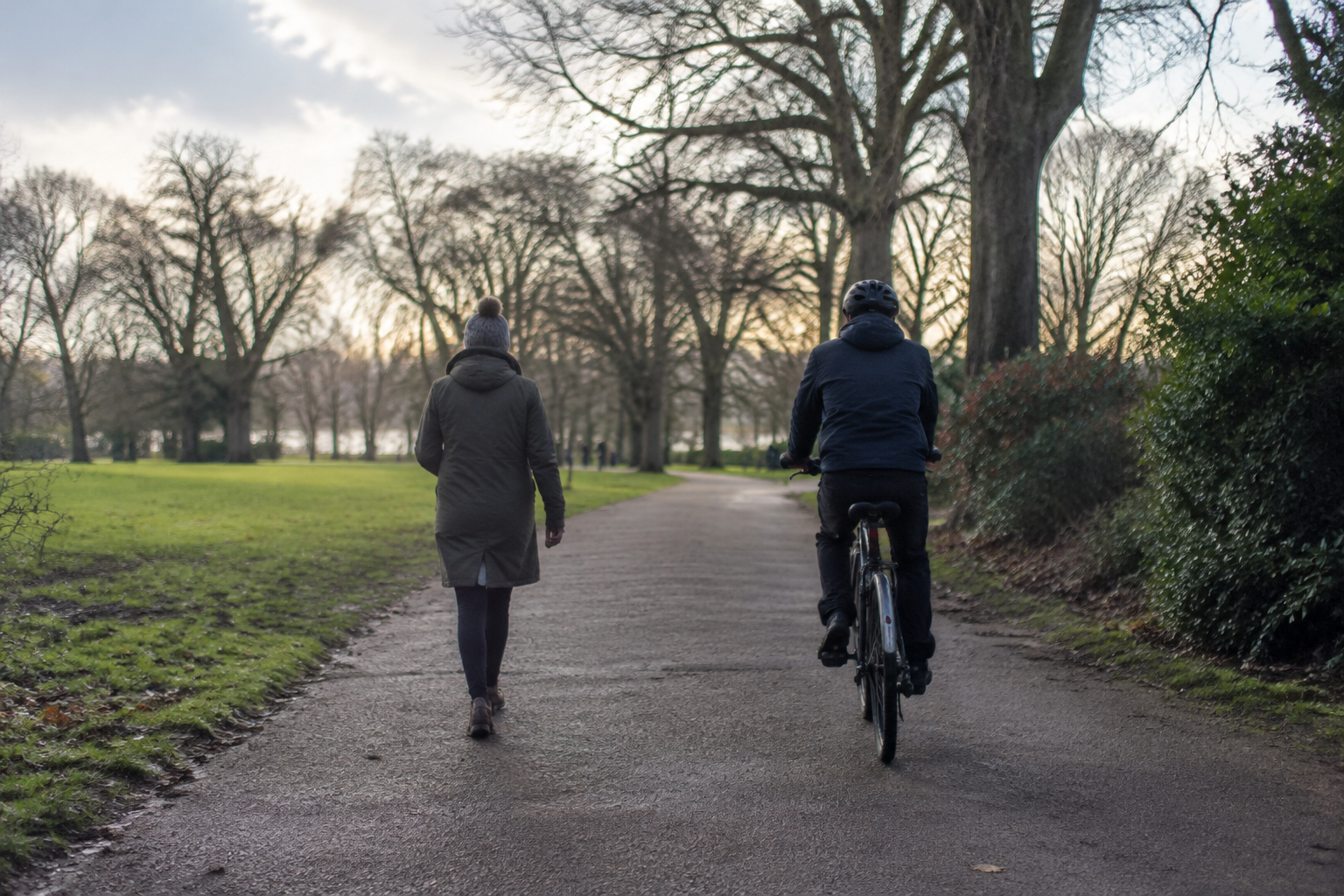
Dr Chantal Nguyen, a sports medicine physician at Stanford University, recommended combining the two activities. Alternating walking and cycling may reduce repetitive strain, limit boredom and make a routine easier to maintain.
Her suggested progression was towards at least 30 minutes of moderate-intensity walking every other day, with cycling on the intervening days. This was a goal to build towards, rather than a starting requirement for someone experiencing side effects or returning to exercise.
Ali recommended adding resistance training twice a week to help preserve lean muscle during weight loss. Aerobic activity and muscle-strengthening work serve different purposes; choosing between a walk and a bike ride does not remove the need to consider strength.
The reporting sets no fixed timetable for reaching these activity levels. Symptoms, joint comfort and current capacity remain individual considerations, and questions about exercising during treatment should be discussed with a medical professional.