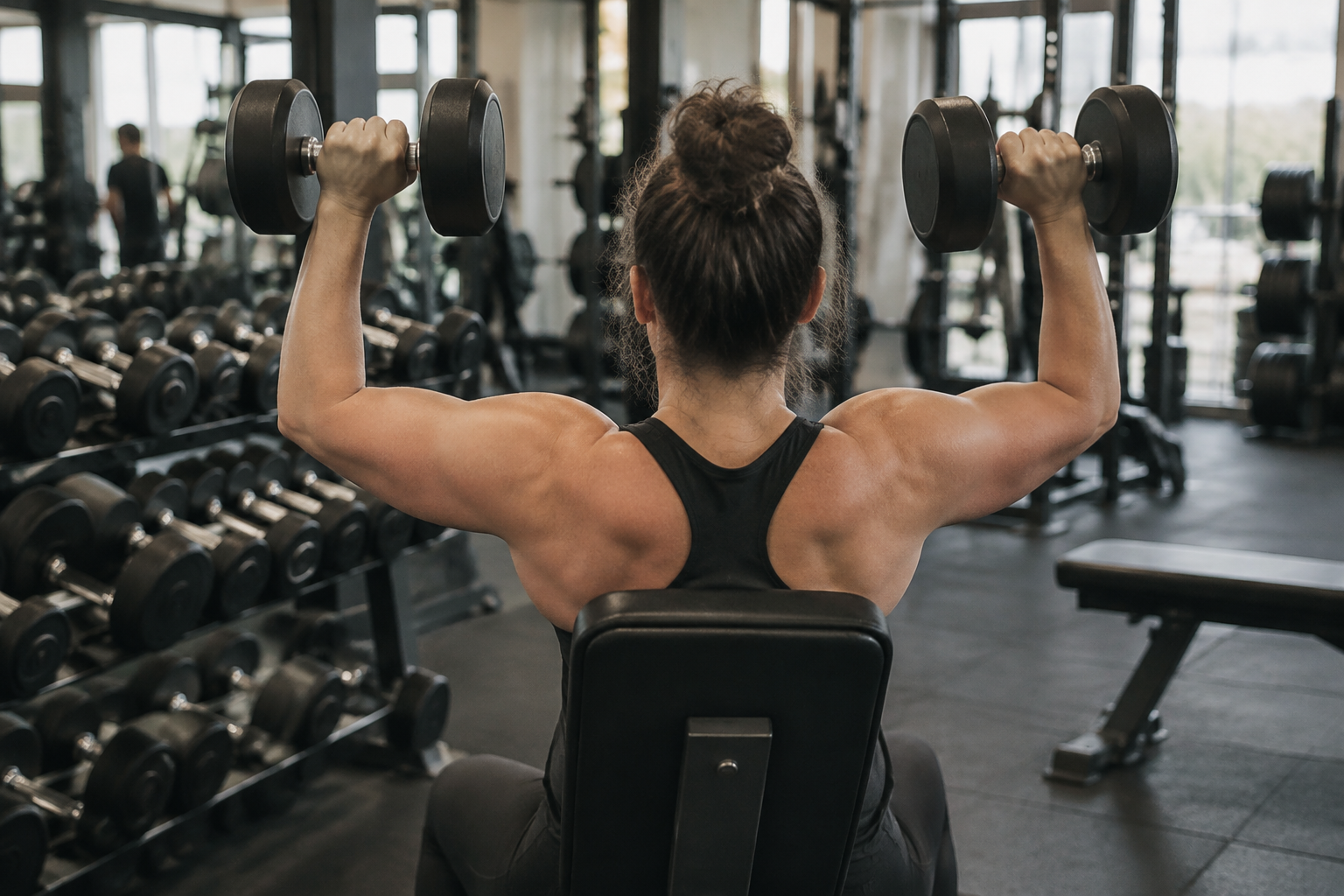
What Hany Rambod said about GLP-1 muscle loss
Bodybuilding coach Hany Rambod has warned athletes considering GLP-1 medicines that appetite suppression can make it harder to eat enough to maintain muscle. He raised the concern during a recent episode of The Truth Podcast, according to reporting by Generation Iron; the supplied report gives no broadcast date.
His warning centres on a practical consequence of eating less: protein intake may fall alongside overall calorie consumption. For bodybuilders trying to reduce fat while retaining muscular size, that can work against the purpose of their training.
The comments are advice from a coach, rather than findings from a new clinical study. Generation Iron describes Rambod as a 25-time Olympia-winning coach, placing his remarks in the context of competitive bodybuilding rather than general prescribing guidance.
How GLP-1 weight loss differs from muscle preservation
GLP-1 medicines act on pathways involved in appetite and blood sugar regulation. By helping people feel less hungry, they can reduce food intake and support weight loss in appropriate patients. Ozempic, the brand discussed in the report, contains semaglutide and is a diabetes medicine; semaglutide is also marketed for weight management under the Wegovy brand.
A reduction in body weight does not, however, measure fat loss alone. Weight lost during calorie restriction can include lean tissue, a category that includes muscle but is not identical to it. That distinction matters when interpreting claims about how much muscle a treatment might cost someone.
Generation Iron notes that resistance training and sufficient protein can help preserve muscle during calorie restriction, without guaranteeing that all muscle loss will be prevented. The report does not give a percentage of muscle loss attributable to GLP-1 treatment or establish that bodybuilders face a particular quantified risk.
For competitors, body composition has a direct bearing on their sport: the aim is to display muscular development while reducing body fat. Their nutritional priorities are therefore not interchangeable with those of every patient receiving treatment for obesity or diabetes. Our coverage of GLP-1 protein intake and diet quality examines the wider nutritional questions raised by reduced appetite.
Why Hany Rambod puts protein alongside weight training
Rambod urged those considering treatment to work with a qualified physician who could explain the advantages and disadvantages of the available medicines. His comments did not identify one drug as the preferred option for bodybuilders.
On preserving muscle, he paired continued weight training with adequate protein rather than presenting either as sufficient on its own. His concern was that a diminished desire to eat could disrupt the habits athletes rely on to sustain their physiques.
Earlier in the podcast, Rambod recommended at least one gram of protein per pound of body weight for athletes seeking muscle growth, according to Generation Iron. That figure needs its original context: it was a bodybuilding recommendation, not a requirement established for everyone using a GLP-1 medicine.
The report notes that individual protein needs vary with body composition, training demands and medical circumstances. Readers should therefore distinguish a coach’s target for building muscle from a nutritional plan tailored to a patient’s treatment. The limits of drawing broad conclusions about body composition are also explored in our report on GLP-1 muscle loss and a small semaglutide study.
What bodybuilders considering GLP-1 treatment should discuss next
The next step Rambod identifies is a medical discussion before choosing a medicine. His remarks do not establish which treatment, dose or dietary target would be suitable for an individual athlete.
For that discussion, the unresolved issue is how a person’s treatment goals fit with their ability to eat adequately and continue training. The supplied report contains no bodybuilder-specific treatment protocol and no comparative evidence showing which GLP-1 medicine best preserves muscle in this group. It supports attention to nutrition and resistance exercise, not a promise that either will eliminate changes in lean tissue.